US-Iran ceasefire offers no winner
· Citizen
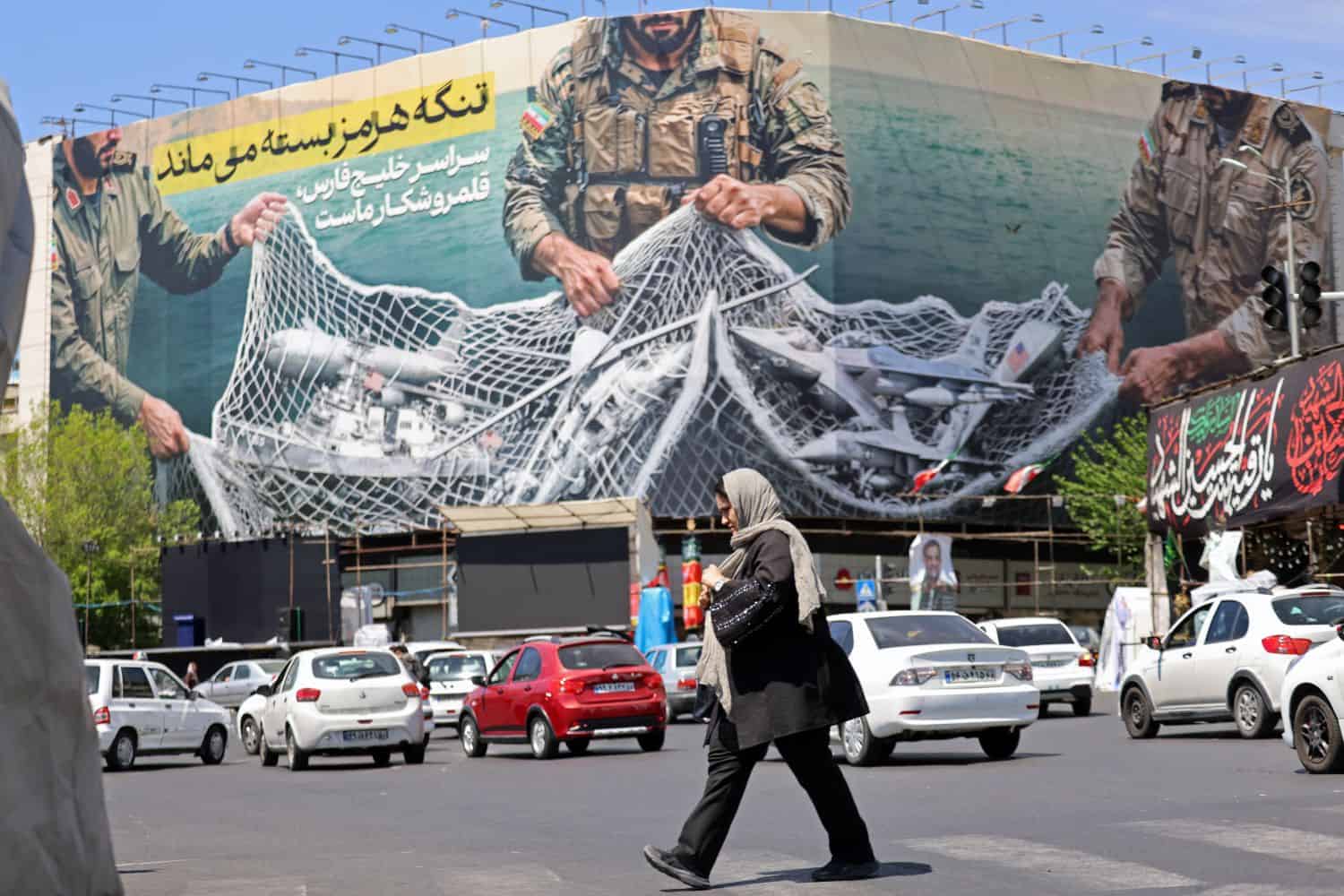
While it is a negotiating truism that the best deal is the one that both sides can present as a victory, that can be mildly frustrating for spectators. We prefer a clear winner and a clear loser.
Visit somethingsdifferent.biz for more information.
It is not surprising, then, that in the war pitting the US and Israel against Iran, so many sources have framed the issue in the simplistic terms of “who won?” The reality is that there is no clear answer, at least not for now.
For one thing, it is not over. All we have at present is a fragile two-week ceasefire to allow negotiations. And, judging by Iran’s 10-point menu of bottom lines that are at odds with the somewhat murky and ever-shifting war aims set by President Donald Trump, this does not look like the prelude to durable settlement.
For another, partisan, emotion is clouding judgment. In the mainstream Western media, such is the antipathy to Trump, that the commentariat has throughout the month-long conflict downplayed the US and Israeli case for war, preferring to cast Iran as an innocent victim rather than confront the reality: that Iran’s sustained provocations – its support for terrorism and wider mischief-making across the Middle East, including against neighbouring Muslim Gulf states – made some such a conflict all but inevitable.
By the mainstream reading, the US and Israel “lost” the war. Not militarily, but politically and strategically.
Although they concede the immense damage inflicted on Iran, they argue that the allies failed to secure the decisive strategic outcomes they sought. Iran still holds an estimated 441kg of uranium enriched to 60% and its remaining ballistic missile and drone stocks appear to be substantial.
Such a view of the war is premised, to a large extent, on absolutist assumptions about what “victory” looks like. This was a war designed to maul, deter and coerce… and it has largely succeeded on those terms.
In just 40 days, Iran’s air and sea forces were shattered and its nuclear facilities further crippled. Aside from the staggering military and economic costs, this war has been a psychological humiliation for Iran. Israel is now militarily dominant in the Middle East in a manner inconceivable three years ago, when its enemies believed that its destruction was imminent.
It should also now be clear to Iran that the US and Israel can – and potentially will – return periodically to “mow the grass” – an Israeli strategic term for repeated, limited operations to degrade enemy capabilities, restore deterrence and buy a period of relative quiet.
This war will strengthen the attraction of the cooperative vision articulated in the Abraham Accords, not weaken it. By attacking its neighbours, Iran sought to remind the Gulf states of the cost of hosting US bases.
It should be obvious, then, that the war may be paused, but this was only the first round. The conflict is unlikely to be over. There remains an enormous amount at stake.
A Middle East with a neutered Iran would be a genuine geopolitical game-changer. It would greatly strengthen the West and crimp the ambitions of China and Russia. This is a legacy-defining moment. Previous presidents – Barack Obama – decided, in the shadow of Iraq and Afghanistan, that the game was not worth the candle if it meant another open-ended Middle Eastern military entanglement.
Trump, by contrast, is betting that overwhelming air power, ruthlessly applied, can secure strategic gains. Much rides on the vagaries of Trump’s personality. He has a frightening appetite for risk, which has, as in Venezuela, delivered dramatic strategic successes.
But he also seems short on gritty persistence and is prone to declaring victory prematurely and moving on to the next issue.
The past 40 days have shown that the US retains both the capacity and the courage to act militarily in a theatre where its rivals had assumed it had lost its nerve. The next 40 days will show whether that was merely a flash in the pan, or the emergence of a more confident America.