Charcha Time: Watermelon Panic—Is Your Favourite Summer Fruit Putting You At Risk?
· Free Press Journal
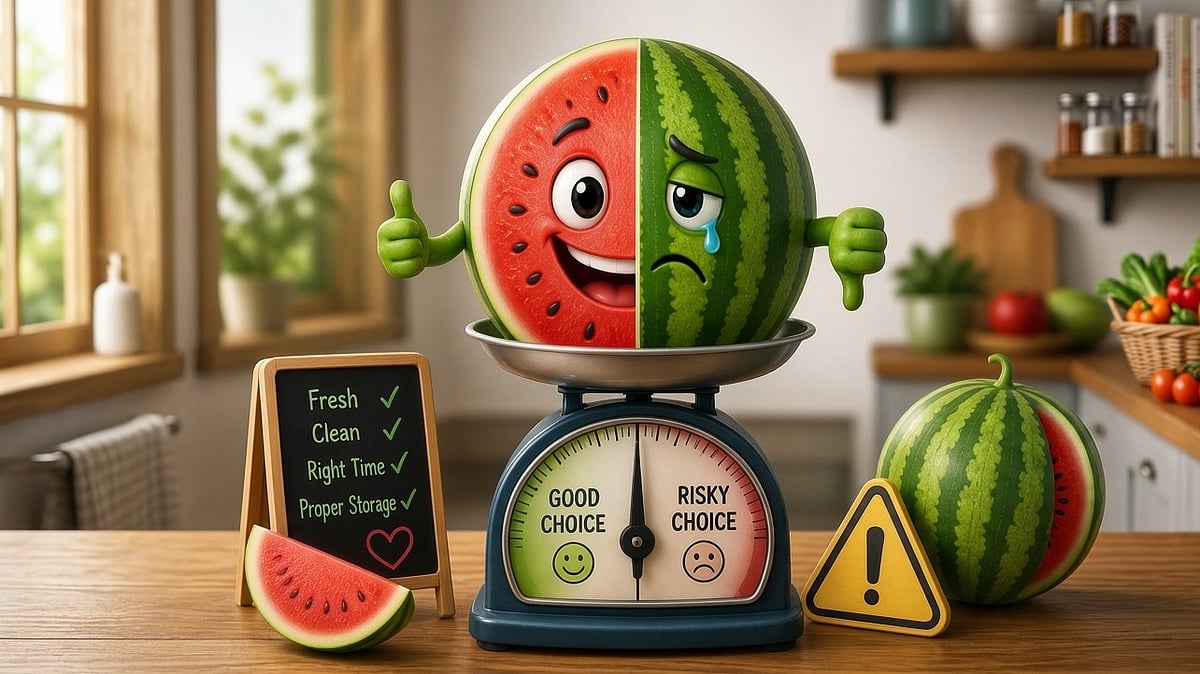
After the death of a family of four post consuming watermelon has created a fear in many people who otherwise love the fruit. The fruit often comes with many myths and it is important to understand when and how should it be consumed so that one doesn’t fall prey to any sickness after having it. The two opinions show that how the fruit is feared and what can be done about it. Minal Sancheti moderates a debate.
Rajeshwari Panda, Nutrition & Dietetics, Fortis Hospital, Mulund
Visit cat-cross.com for more information.
Watermelon: Safe, Refreshing, and Best Enjoyed Fresh Watermelon is one of the most popular summer fruits, valued for its high water content and cooling effect. Made up of nearly 90% water, it helps with hydration and also provides essential nutrients like vitamin C, vitamin A, and antioxidants such as lycopene. From a safety standpoint, watermelon is a safe fruit when consumed fresh and handled properly. It does not contain any natural toxins. However, like many fresh fruits, the way it is handled—especially after cutting—plays a major role in its safety.
Why handling matters? Once cut, watermelon becomes more vulnerable to contamination. Its high moisture content makes it an ideal environment for bacteria to grow, particularly in warm weather. If left at room temperature for long periods or handled with poor hygiene, it can spoil quickly. This is why issues associated with watermelon are usually not because of the fruit itself, but due to factors like exposure, storage, and cleanliness. Simple precautions that make a big difference. A few easy steps can ensure watermelon remains safe to eat: Always prefer whole fruits over pre-cut pieces. Wash the outer surface before cutting, even though it is not eaten.
Use clean knives and chopping boards. Avoid leaving cut watermelon outside for more than 1–2 hours (less in hot weather). Consume within 24 hours for best quality and safety. Avoid buying cut fruits sold in open or roadside conditions.
How to pick a good watermelon? Choosing the right fruit is equally important: Look for a creamy yellow patch on the surface—this indicates natural ripening. Pick a fruit that feels heavy for its size. Tap it lightly—a deep hollow sound usually means it is ripe. Avoid fruits with cracks, soft spots, or damage Choose a uniform, symmetrical shape. After cutting, the flesh should appear naturally pink to deep red, not overly bright or mushy.
Common myths
Watermelon with milk is harmful: There is no scientific evidence for this. At most, some people may feel mild discomfort. “Eating watermelon at night is unsafe” – Not true. It may only lead to increased urination due to its water content.
Bright red watermelon means chemicals: Not necessarily. Many varieties are naturally deep red due to lycopene.
Watermelon easily causes food poisoning: Misleading. The risk comes from poor hygiene and storage, not the fruit itself.
Seeds are harmful: False. Watermelon seeds are safe and even contain nutrients.
Can Watermelons Turn Contaminated And Unsafe To Eat?Ria Jain, Mumbai resident
The recent case about the family dying after eating watermelom has definitely installed a fear among certain people about consuming the fruit. The fruit if eaten in a right manner may not be harmful. But many refrain eating the fruit especially if not properly stored. Ria explain the troubles she faces when eating watermelon.
I have developed a hesitation around eating watermelon primarily due to repeated personal experiences that have created a strong association with discomfort and illness. Over time, I’ve noticed a pattern—whenever I fed watermelon to my child, he would often fall sick soon after.
The symptoms varied, ranging from stomach issues to mild fever, but the timing felt too consistent to ignore. As a parent, these repeated instances naturally led to concern and caution. In addition to that, I’ve also experienced digestive discomfort myself after
consuming watermelon, particularly on an empty stomach. Instead of feeling refreshed, I would sometimes experience bloating or uneasiness, which made me more mindful about when and how I consume it. While watermelon is generally considered light and hydrating, my personal experience has been somewhat different.
Another factor contributing to this fear is a growing concern about food quality. There is often discussion around the use of artificial coloring, chemical ripening agents, or pesticides in fruits. While I don’t have concrete proof in every instance, the possibility that such factors might trigger allergies or sensitivities has made me more cautious. Given the combination of my child’s reactions, my own digestive issues, and these broader concerns about food safety, I’ve developed a reluctance toward eating watermelon.
That said, I understand that watermelon is widely regarded as a healthy fruit, and my experience may not reflect a general truth. However, these repeated patterns have shaped my perception, making me more careful and selective about including it in my diet.