‘Cemeteries will no longer look like recreational facilities’: Limpopo gets 6 new rescue vehicles
· Citizen
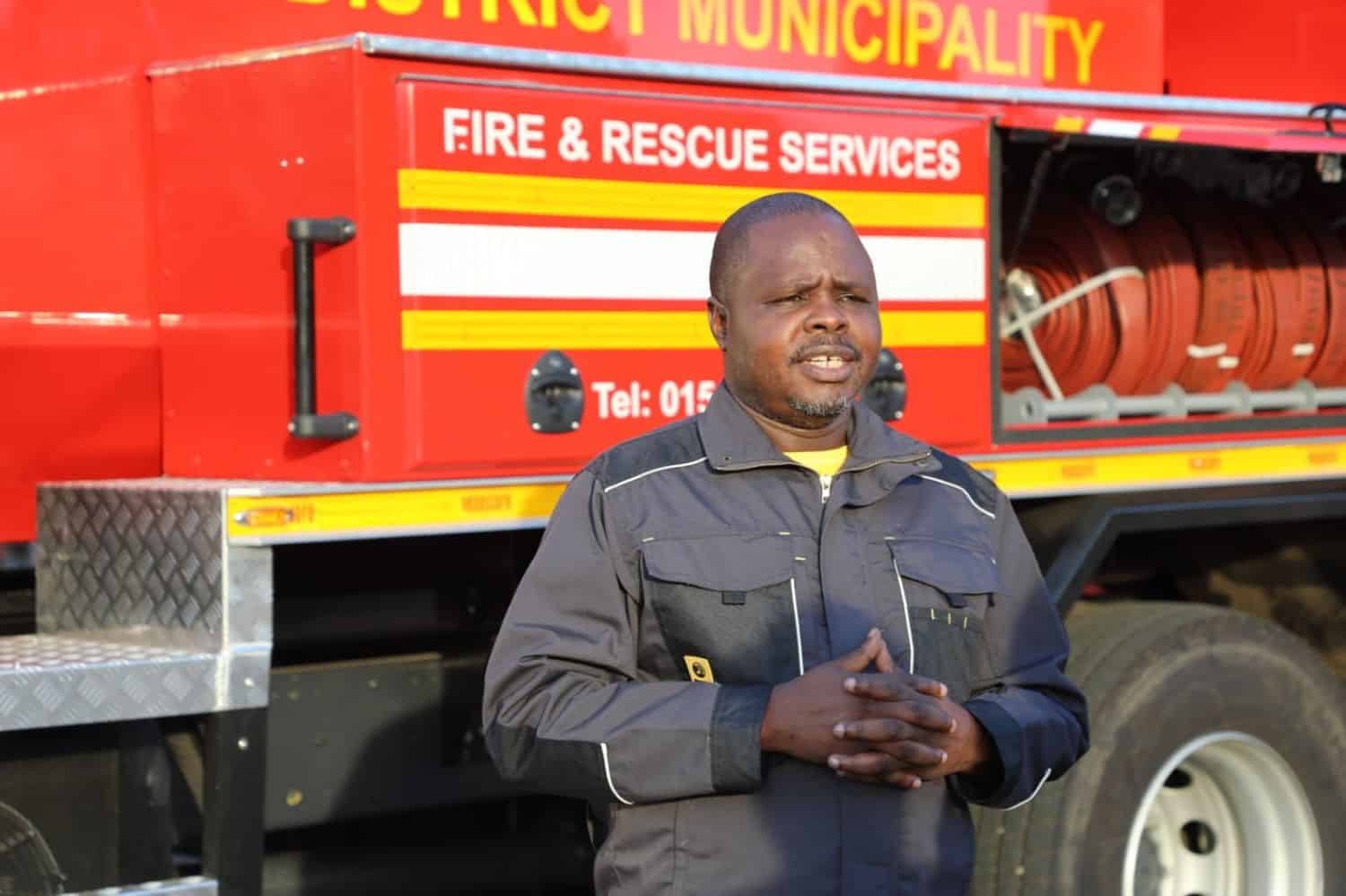
Pedestrians, motorists and ordinary residents in Limpopo echoed a sigh of relief this week when the Mopani district municipality handed over five new specialised fire and rescue vehicles to the Greater Tzaneen, Letaba and Maruleng local municipalities.
New rescue vehicles
The new fleet includes two 6 000-litre structural fire trucks to respond to structural and residential fires, a rapid intervention rescue vehicle for accident and rescue operations, and two 4×4 LDV firefighting vehicles for veld and forest fire response.
Visit michezonews.co.za for more information.
It is hoped the new fleet will help reduce the carnage on Limpopo roads, mostly during the Christmas and Easter holidays.
Speaking during the handover of the fleet to the municipal councils, the Mopani district municipality’s Mayor Pule Frelimo Shayi said the vehicles cost the province R20 million. He added that these vehicles were important for rescuing community members.
“The vehicles represent more than machinery and equipment. They represent our commitment to protecting lives, responding faster to emergencies and ensuring that our communities feel safer and supported,” said Shayi.
Fire season
He also said the vehicles come as the district is preparing for increased wildfires in the region, particularly in the rural and farming communities.
“We are taking one fire rescue vehicle to Maruleng municipality in the Sekororo and Hoedsepuit area, one in Tzaneen and one in Modjadjiskloof. Phalaborwa has a station while Giyani and other related areas are also sorted,” said Shayi.
One resident, Phillip “Dipepenene” Machubeni of Morutji Village in Bolobedu expressed gratitude for the rescue vehicles.
“We see many accidents on the roads as we go to work on daily basis. We see our relatives and neighbours trapped helplessly in burning houses, especially during winter. But there is not much we could do, only knowing that the death of one is one too many.
“But with these vehicles, our cemeteries will no longer look like recreational facilities every weekend,” he said.