Mashaba plans to fight crime and corruption in Joburg return
· Citizen
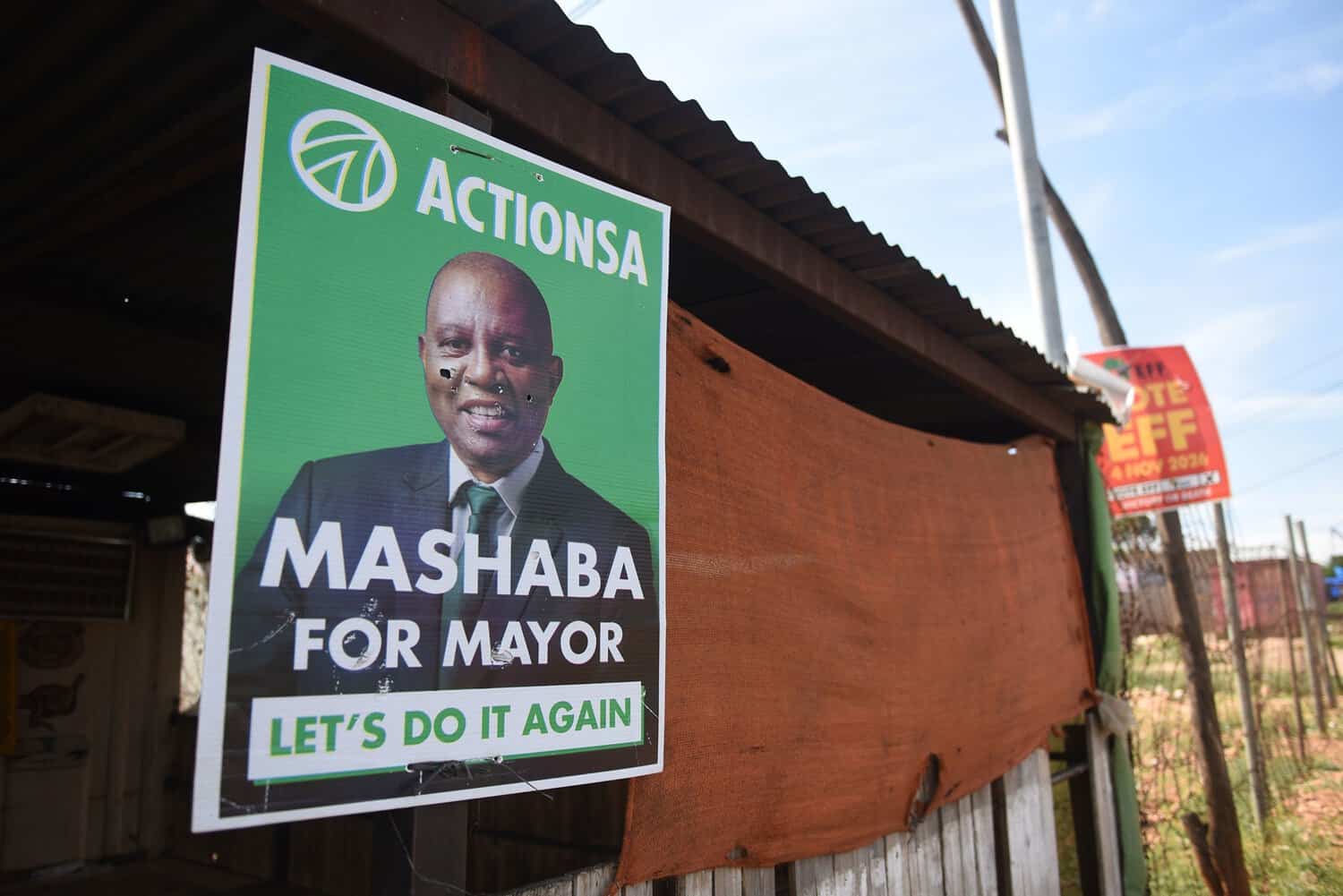
Businessman and former Joburg mayor Herman Mashaba hopes not only to don the mayoral chain once more, but also to restore the city to its former glory and declare corruption public enemy number one.
He will prioritise building and revamping infrastructure and vigorously fight crime, including removing undocumented migrants in the metro and reclaiming hijacked buildings in the city.
Visit h-doctor.club for more information.
In an interview with The Citizen, the haircare entrepreneur appears willing to use his “second coming” to embark on “cleaning the Augean stables” – wielding a broom and an axe – to sweep up the rot and prune the deadwood.
“The City of Joburg is in the midst of a misgovernance crisis that has caused instability at the cost of residents. The snakes within the administration who benefit from patronage instead of being employed on merit need to be removed.
The city, he boldly says, now more than ever needs experienced political leadership that will make bold decisions.
1. What is your plan of action?
My plan focuses on fixing the basics in terms of bulk water infrastructure, road upgrades and ensuring planned maintenance of infrastructure. Ensuring that the administration has a zero tolerance to corruption.
Restoring law and order is critical to tackle illegal immigration, re-establishing municipal courts, increasing the JMPD’s complement and reclaiming hijacked buildings.
For Johannesburg to work, we need to create conditions that will bring back jobs and investment. Delivering dignity for all is critical through delivering services to all residents, regardless of their postcode.
2. What difference will you make in the city, including changes you envisage?
I’m the only one who can turn this city around and place it on a path of a positive growth trajectory that will create jobs, stabilise its finances and accelerate service delivery.
When I was elected in 2016, I had no idea what a mayor does. But, today, I can confidently say I’m the only person who knows exactly what needs to be done to restore Johannesburg to its former glory.
3. What has been troubling you about the city since you left the Metro Centre and why?
The extent of crime that has taken root in the city. Joburg will continue to decline into further chaos if this lawlessness persists.
4. How do you plan to tackle, or solve, the above issue?
In 2019, I committed to adding a complement of 1 500 JMPD officers to clamp down on crime. There is a correlation between visible policing and crime reduction. Which is why one of my mayoral priorities is to recruit 500 JMPD officers annually, for a period of five years as part of ActionSA’s plan to restore law and order across the city.
5. What kind of coalition partnership will your party enter into and, if possible, with whom?
We are open to going into a coalition with any party that understands that we have three non-negotiables.
First, when ActionSA leads Johannesburg, public services will be delivered to all residents across the city. This is regardless of their postal code, or whether they pay rates or not.
Second, corruption is public enemy number one in a Joburg led by ActionSA.
Third, ActionSA is unwilling to negotiate that mass deportations of illegal and undocumented immigrants must start immediately. These are our three nonnegotiables with any political party that wants to co-govern with ActionSA.
6. In the first 100 days as mayor if you win, what do you envisage you would have changed?
My top priority is to address Johannesburg’s housing backlog crisis, high unemployment and put residents first in terms of opportunities.
The Inner-City Rejuvenation Policy Plan is critical to getting Johannesburg working again by creating a private-sector, investor-friendly administration.
This plan was approved by council during my mayorship, where I identified over 600 hijacked and derelict buildings for long-term leasing to the private sector to build affordable housing opportunities.
This policy offer to the private sector was premised on three critical conditions to qualify for these leasing opportunities: guaranteed funding; how many units they would build; and how many permanent jobs would be created during the construction phase.
When I left in 2019, the city had already awarded 154 properties, with an investment of R32 billion, to create 22 000 jobs, and over 14 000 housing units.
I had committed to releasing a minimum of 100 properties a year to the private sector.