Will the ANC fall on the side of the DA or the ideological allies it helped spawn? Analysts weigh in
· Citizen
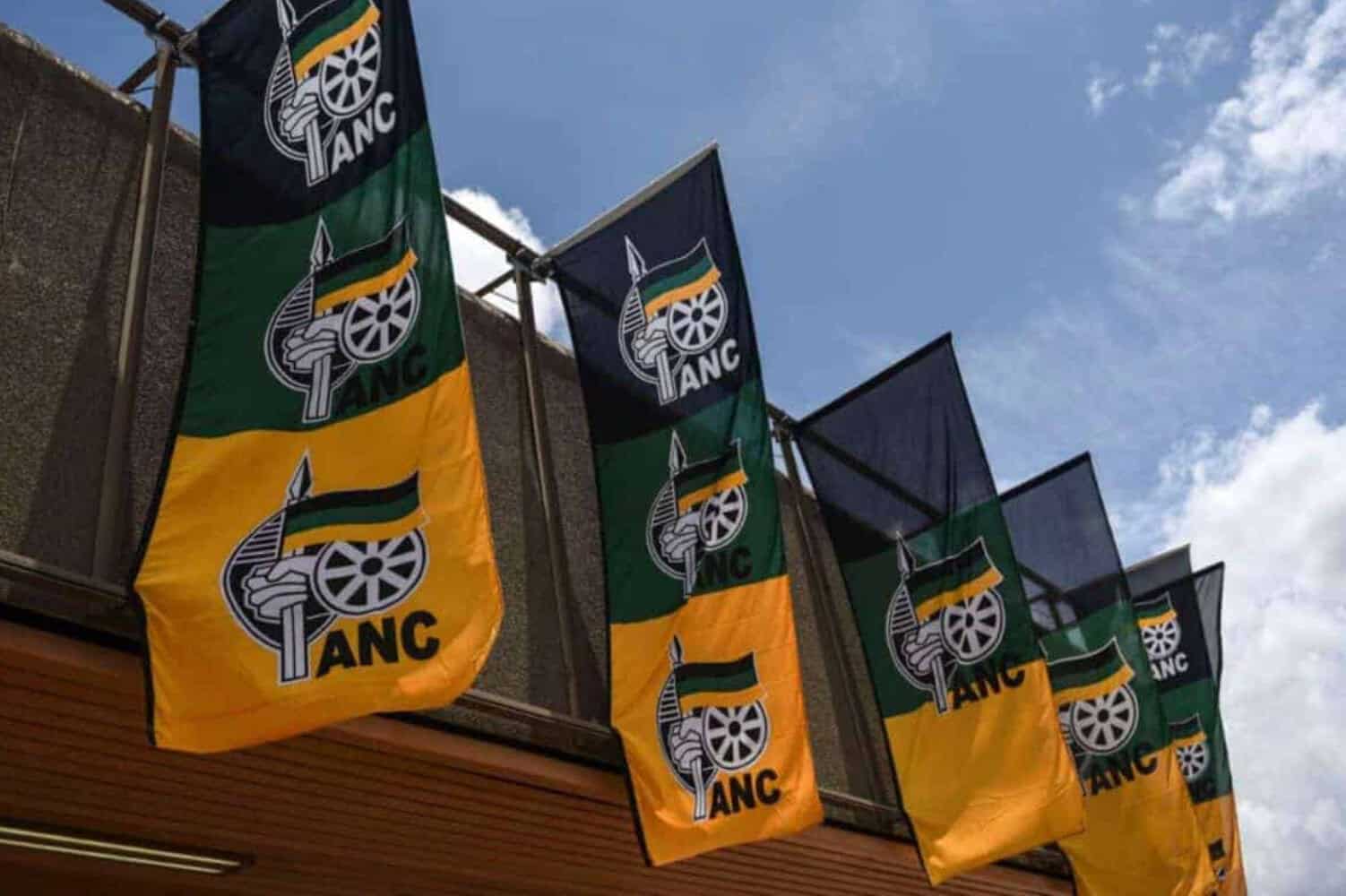
Despite its electoral decline, the ANC is still the belle of the ball as political suitors wait patiently for approval.
Visit orlando-books.blog for more information.
Herman Mashaba and ActionSA believe a deal with the ANC in Gauteng is done, roping in the EFF, uMkhonto weSizwe (MK) party and a host of smaller parties to shore up the bloc.
The DA played its ace on Saturday, offering the ANC control of almost 100 smaller municipalities in exchange for Johannesburg and other metros in a confidence and supply agreement.
This would be in keeping with the government of national unity (GNU), an agreement both parties have threatened to reconsider when their relationship was tested.
With the nation on the edge, the ANC will on Thursday announce the consensus reached by its national executive committee (NEC) on which parties to form municipal coalitions with across the country.
‘Baseline for stability’
Political Analyst Professor Andre Duvenhage believed the ANC will fall on the side of the “black identity” parties characterised by ActionSA, EFF, and MK party.
Duvenhage said this bloc was comprised of parties who shared “part of the history and part of the tradition of the ANC”.
While the leaders of those respective parties had clashed in previous years, Mashaba’s dislike of the DA, Jacob Zuma’s age, Julius Malema’s waning popularity, and Cyril Ramaphosa’s limited time as leader of the ANC, lessened the individual stakes, and made it easier for the parties to find each other.
“Currently, a lot of these differences are about the interpretation of the ideology – should they go more radical or more moderate?
“We are at a point where some of these leaders are going to remove themselves, or going to play another role,” Duvenhage told The Citizen.
However, he said the ANC going the route of the DA was not out of the question.
“That would basically stabilise 137 municipalities throughout South Africa. They don’t necessarily need to agree with each other, but they can form a baseline for stability.
“For service delivery, in terms of the national interest, an agreement with the DA is going to be the better way to go.”
Johannesburg ‘ominous and almost impossible’
Helen Zille’s potential pro-business mayorship of Johannesburg has been an obstacle during negotiations, but Organisation Undoing Tax Abuse (Outa) CEO Wayne Duvenage did not expect the business community to immediately reject an ANC-led coalition.
“What matters most is how the coalition that is formed is committed to, and if it delivers the services and repairs of the city’s infrastructure going forward,” Duvenage told The Citizen.
What did concern Duvenage was the size of the potential ANC-ActionSA coalition and the ambitions of the relevant parties.
“Reports that an 18-party grouping is being assembled for Johannesburg sounds ominous and almost impossible, given the fact that an ANC, ActionSA, EFF and MK coalition gives them the one-seat majority needed.
“That is a thin foundation if attendance, discipline, or disagreements become a problem,” Duvenage said.
Noting the DA’s 34% popularity with the electorate, Duvenage said there could be “political legitimacy concerns”, but conceded this was always possible if it failed to secure 51% of the vote.
For Duvenage, the core concerns were accountability, effective governance, procurement, and service delivery, something the previous administrations had proven themselves incapable of securing.
“Business has already deemed that Johannesburg’s crisis is a national economic emergency, and that its failures have occurred under successive administrations and shifting coalitions, which don’t appear to be ending soon.
“What is urgently required is a credible recovery plan that will protect the city’s finances and infrastructure, and show that appointments and contracts will be governed by merit, transparency and rules,” he said.
Risks for Ramaphosa and GNU
The ANC cementing a deal with ActionSA, the MK party, and EFF could cause cascading issues for the markets, the GNU, and Cyril Ramaphosa.
Executive Director at the Centre for Risk Analysis Chris Hattingh said the ANC not forming a coalition with the DA would erode trust within the GNU, but didn’t expect a knee-jerk reaction.
“I do not expect the DA to leave soon, because an exit would remove its influence over national policy and leave the ANC to look to the MK party and the EFF,” Hattingh told The Citizen.
On the markets, he said a reference point was May 2024, when the markets dipped at the prospect of such a union, before reacting positively to the formation of the GNU.
“If the DA stays in the GNU, I expect a muted response. If it signals an exit, I expect a further fall in the rand and higher bond yields.
“The direct damage would fall on the metros, whose finances are already weak and whose borrowing could become more expensive,” Hattingh said.
Aligning with the EFF and MK party would also embolden Ramaphosa’s rivals within the ANC and lay the foundation for future “doomsday” coalitions.
“Ramaphosa’s standing at home and abroad rests on the GNU and on investor confidence.
“His difficulty is that the NEC left the choice to the regions, and the numbers in some of them push toward the MK Party,” said Hattingh.
The Outa CEO concurred, stating the risks were greater for Ramaphosa personally than for the ANC as a party.
“The risk is greater if the municipal pact is presented as part of a wider political realignment against the DA, rather than as a practical response to municipal service delivery.
“The route with ActionSA, the MK party, and the EFF could be tactically useful for the ANC, but it is not clearly in Ramaphosa’s best interests unless it is tied to strong safeguards and a credible service-delivery programme, which we cannot see happening,” Duvenage concluded.