India Must Prioritise Export Competitiveness Over Tariff-Driven Trade Concessions
· Free Press Journal
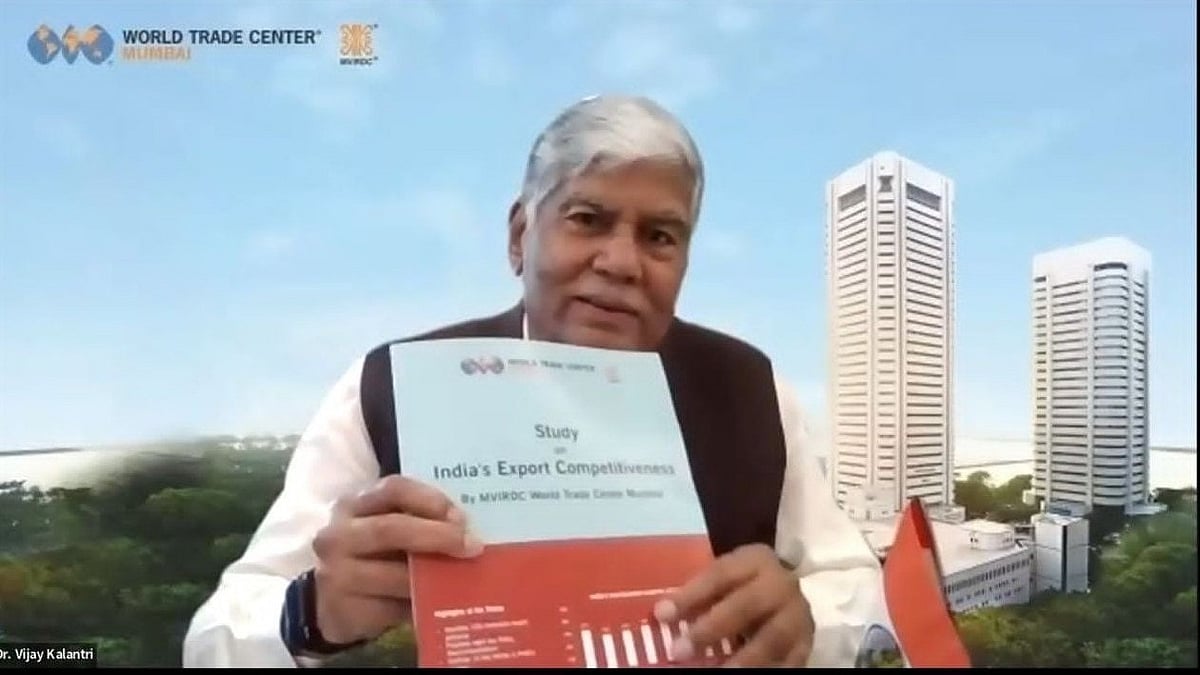
“India must carefully weigh the long-term economic implications of any trade agreement with the United States rather than be driven by immediate tariff considerations. Trade agreements must be founded on mutual economic interests, reciprocity and long-term commercial benefits, rather than tariff pressures that compel countries to make disproportionate concessions,” said Dr. Vijay Kalantri, President, All India Association of Industries (AIAI), and Chairman, MVIRDC World Trade Center Mumbai responding to the latest tariff developments concerning the United States Trade Representative (USTR).
Visit h-doctor.club for more information.
Referring to the USTR investigation into structural overcapacity under Section 301 of the US Trade Act, 1974, Dr. Kalantri expressed concern over the proposed 25% tariff on India, which could be reduced to 17% upon the conclusion of a bilateral trade agreement.
“Even if India secures a trade agreement with the United States at a tariff rate of 17%, its competitive advantage over countries such as Bangladesh and Indonesia, which could attract a tariff of 18% under their respective trade agreements, would be a mere one percentage point. India must carefully assess whether the concessions sought in return for such a marginal competitive advantage are commensurate with the long-term interests of its domestic industry, agriculture and exporters,” Dr. Kalantri observed.
He further expressed concern over the increasing use of tariffs as instruments of economic and geopolitical negotiations, stating that frequent changes in trade policy undermine, WTO rule-based multilateralism, business confidence, disrupt global supply chains and create uncertainty for exporters and investors.
“Despite the prevailing global economic turmoil and tariff uncertainties, India’s export performance over the past two quarters has demonstrated resilience. While the depreciation of the rupee has supported export competitiveness to an extent, the growing diversification of India’s export markets has emerged as an important factor in sustaining its export performance. Going forward, India must focus on structural competitiveness rather than relying on exchange rate movements alone,” he added.
“India must use the present global trade uncertainty as an opportunity to strengthen its domestic industrial capabilities and expand its presence across emerging and established markets. With appropriate policy support, market diversification and a comprehensive strategy to make exporters, particularly MSMEs more resilient, India can withstand external tariff pressures and sustain its export growth. Export competitiveness and diversification must remain central to India’s long-term economic ambitions,” Dr. Kalantri concluded.